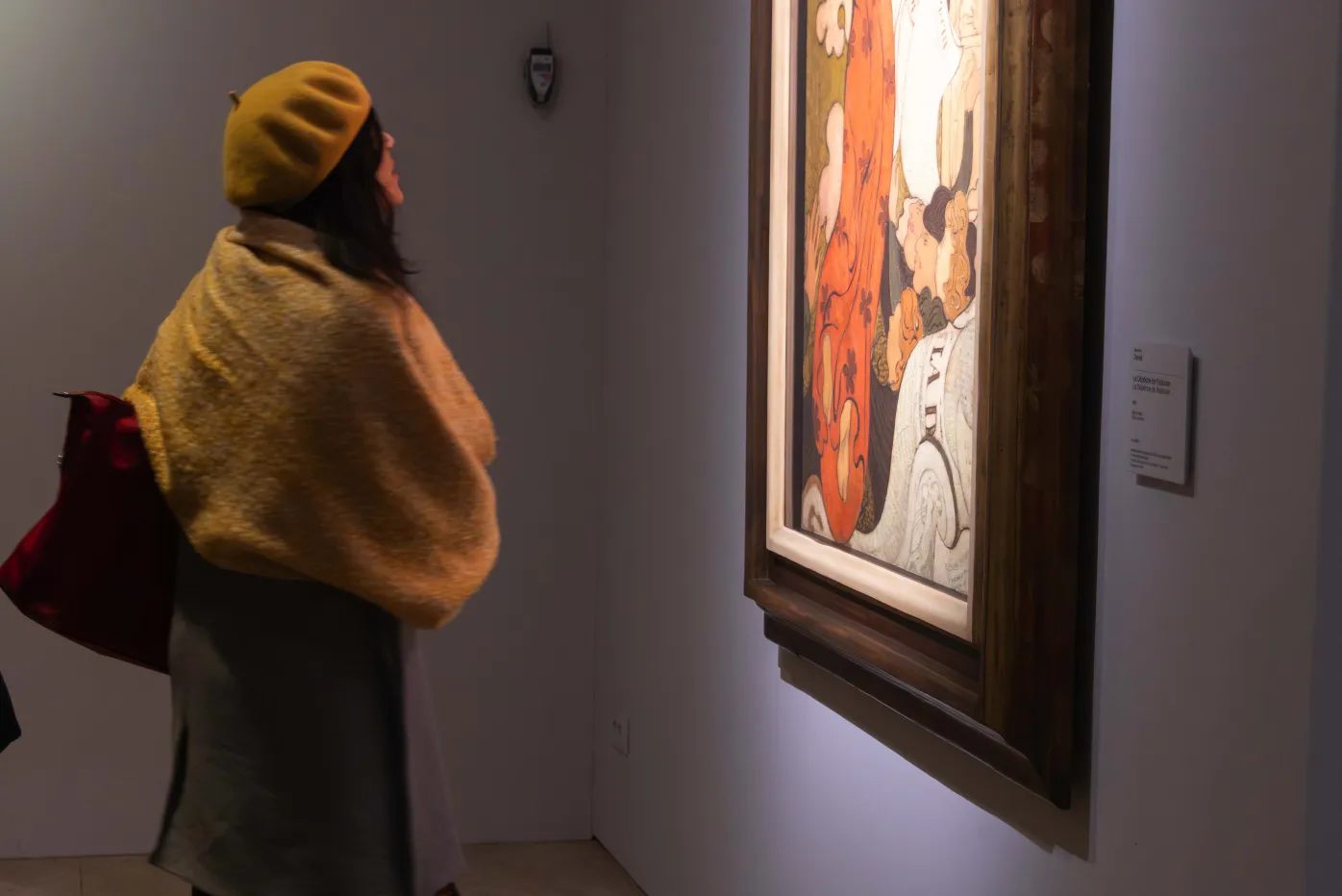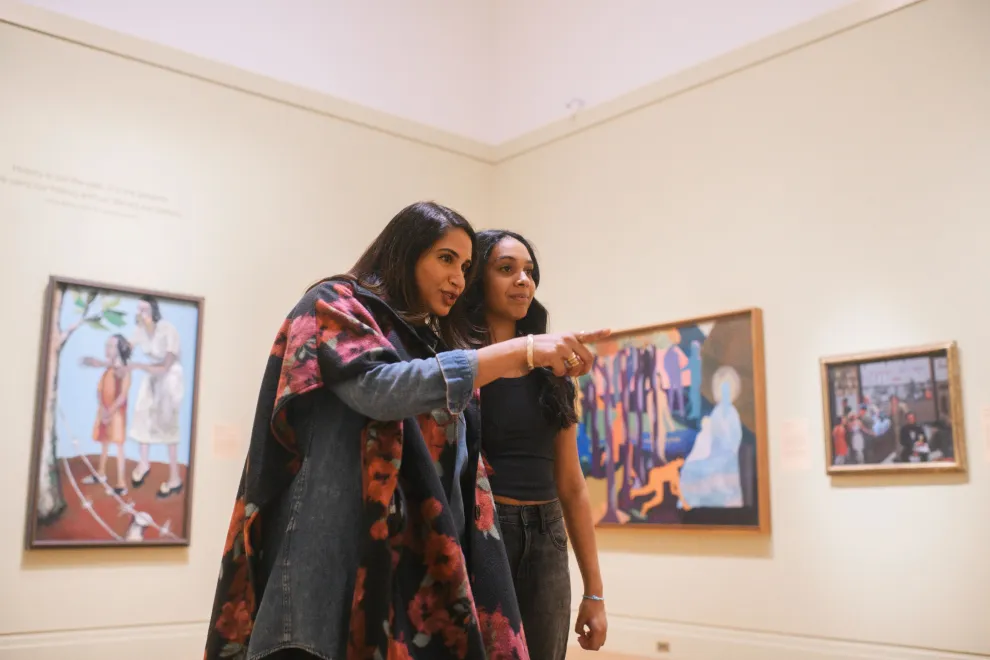

As humans, we seek to connect with others on so many different levels. We want to be part of a community where we feel seen, heard, and accepted, and where we do the same for others in an environment of safety, respect, and authenticity. That’s why belonging is at the core of everything we do at the Detroit Institute of Arts. It doesn’t happen by accident—it is shaped through our values, daily decisions, practices, and priorities.
Our commitment to excellence and outstanding service is fueled by belonging, with inclusion, diversity, equity, and access (IDEA) serving as its backbone. Belonging is a central part of our mission, influencing the work of the DIA team and our service to every visitor experience on-site and off-site. This comes to life every day through the experiences we create for visitors, the exhibitions we present, and the ways we make the museum more welcoming for everyone.
To me, belonging means welcoming people as they are—and ensuring they know the museum has considered their needs and comfort before they even step through the door.
During a field trip this spring, our Accessibility Specialist helped visitors who are blind or have low vision experience the collection through tactile reproductions and detailed visual descriptions. In another instance, our Education program DIA Kids, supported by our Artmaking Studio, created a bilingual experience for Spanish-speaking students and caregivers. These moments reflect our belief that everyone should be able to engage with art in meaningful ways—and that barriers to that experience should be removed.
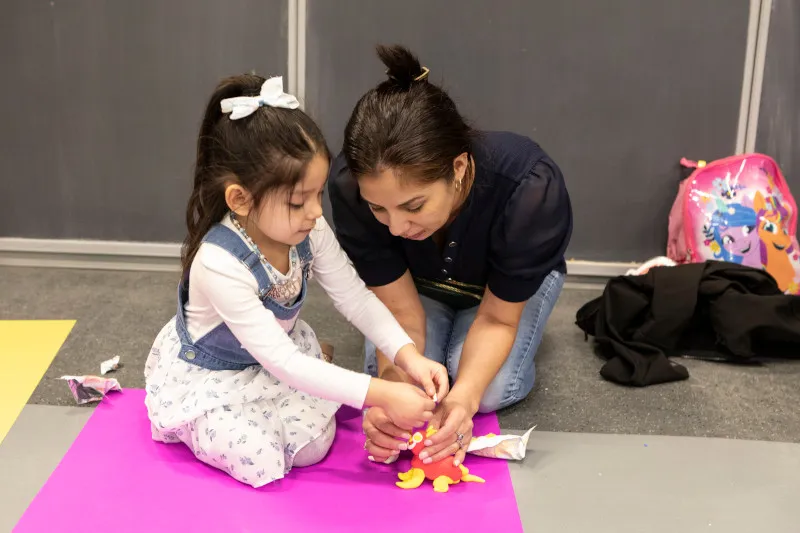
A bilingual experience was provided for Spanish-speaking students and caregivers during a DIA Kids field trip.
We have also expanded efforts to make the museum more welcoming for the neurodivergent community. More than a year ago, we launched Sensory Friendly Saturdays—structured, quiet, low-light artmaking sessions designed with accessibility in mind for visitors with sensory sensitivities and their family and friends. Sensory bags—which include adult and child sunglasses, noise-canceling headphones, fidgets, and communication cards—are now available free of charge at all ticket desks. The Studio provides adaptive artmaking tools and sensory tools as well.
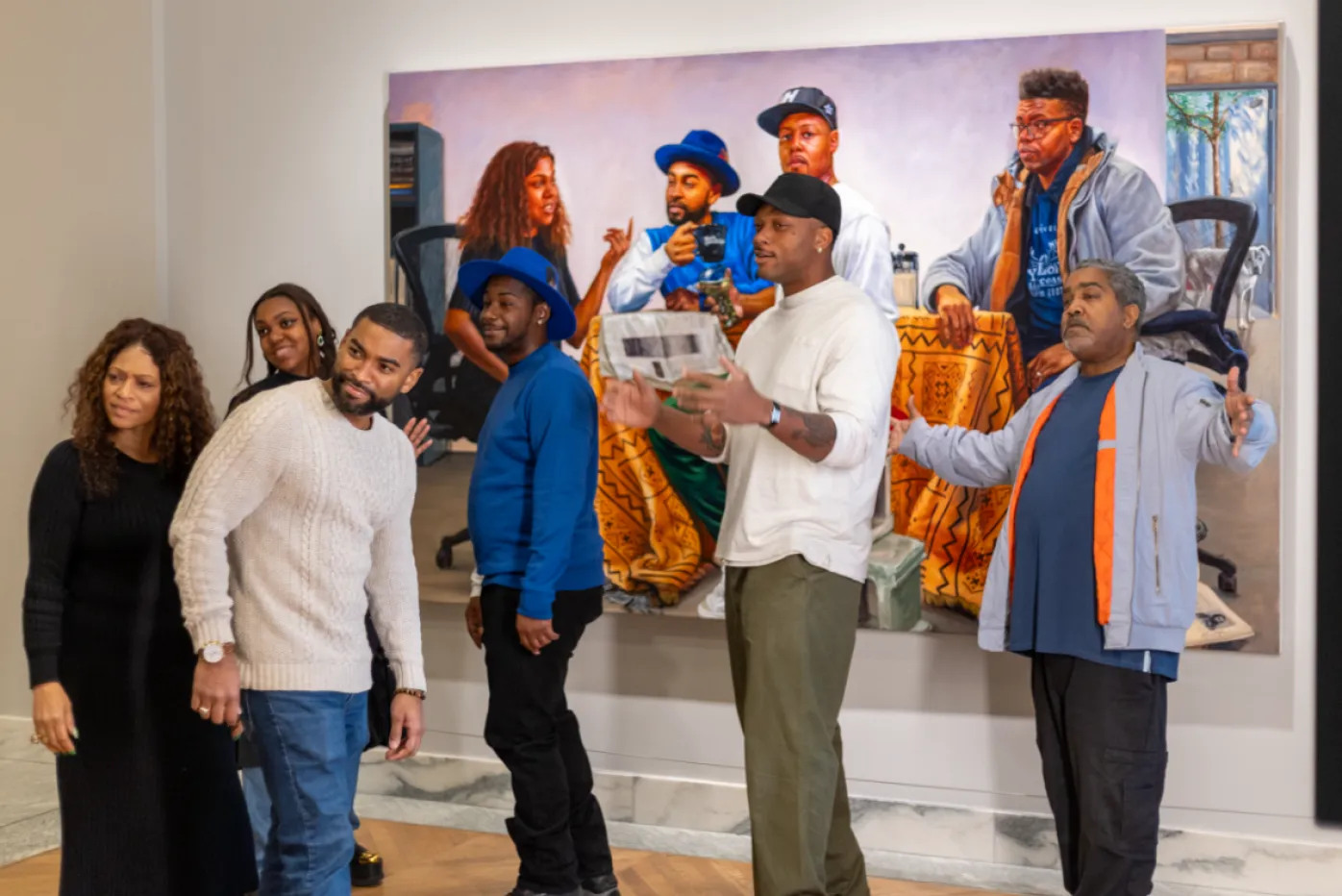
Belonging also means helping visitors see themselves reflected in the museum. Our collection includes works from across the globe, spanning African, Asian, Native American, Oceanic, Islamic, and Ancient art, alongside American and European traditions. We were also the first encyclopedic museum to establish a Center for African American Art in 2000, and our reimagined galleries now place African American art at the heart of the museum, adjacent to Rivera Court.
Our exhibitions reflect the diversity of our visitors and communities. Recent and current exhibitions and Guests of Honor projects—including Contemporary Anishinaabe Art: A Continuation, Art of Dining: Food Culture in the Islamic World, and Art of Faith from the Jewish Museum, New York—highlight this commitment. Year-round programs create additional opportunities for visitors to celebrate and learn about different cultures and traditions.
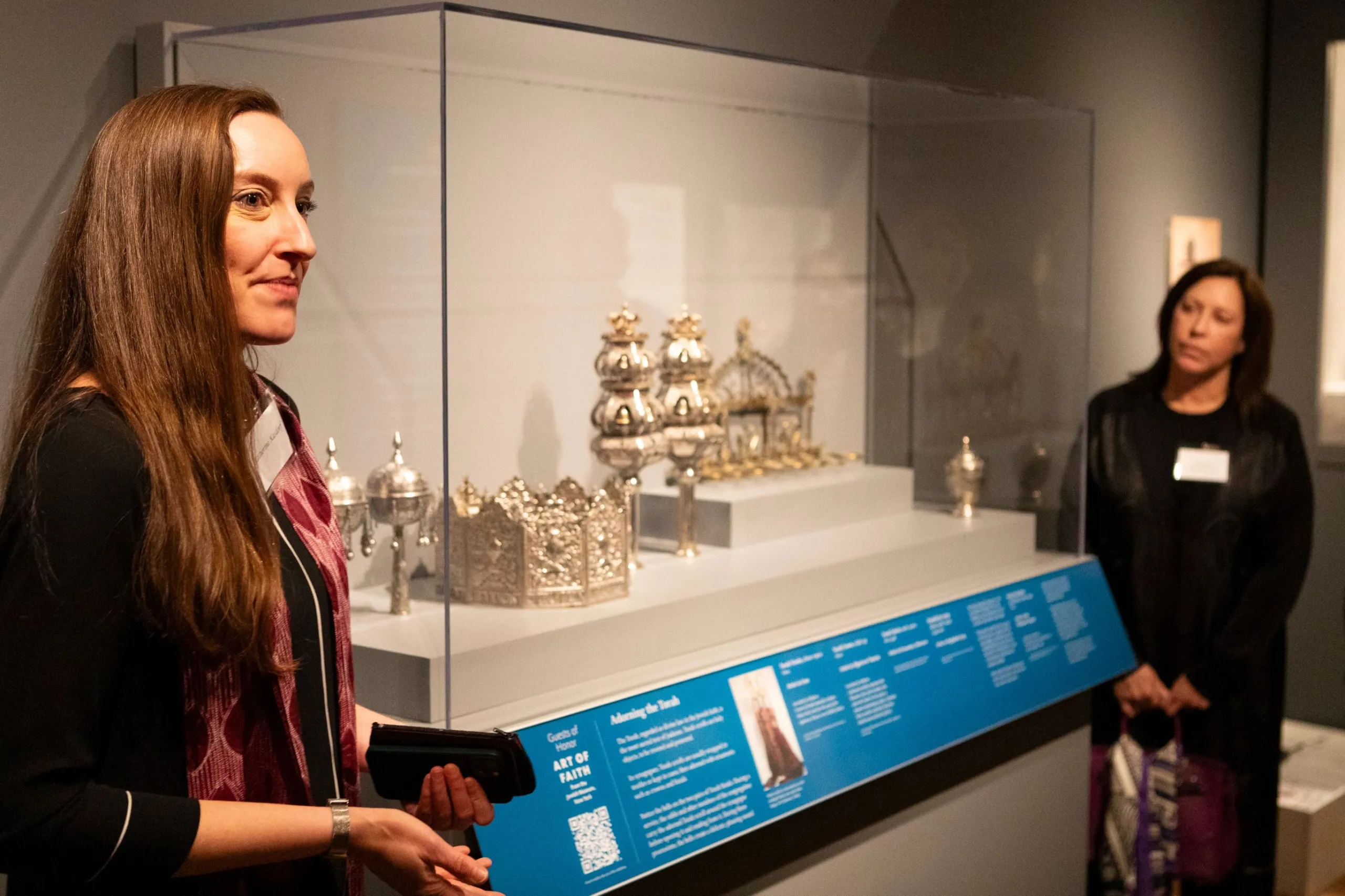
Katherine Kasdorf, Curator of Arts of Asia and the Islamic World at the DIA, (left) gives a tour of Guests of Honor: Art of Faith from the Jewish Museum, New York.
And for the third consecutive year, DIA employees participated in IDEA in Action Month. Throughout June, employees engaged in trainings, LGBTQ+-focused gallery tours, a workshop on disability language, and other programs designed to strengthen our culture of belonging.
While IDEA in Action Month focuses on our staff, its impact extends far beyond our workplace. The lessons and conversations from these programs help shape the experience we create across the museum.
To me, belonging means welcoming people as they are—and ensuring they know the museum has considered their needs and comfort before they even step through the door. When we do that well, the DIA becomes more than a museum. It becomes a place where people can connect, learn, and feel that they truly belong.