In 1883, the Detroit Institute of Arts purchased its very first painting, Francis Davis Millet’s Reading of the Story of Oenone. Choosing a work by a living artist was a bold move at the time, and it set the tone for the kind of museum the DIA would become: one that believes art should speak not only to the past, but also to the moment in which it was created.
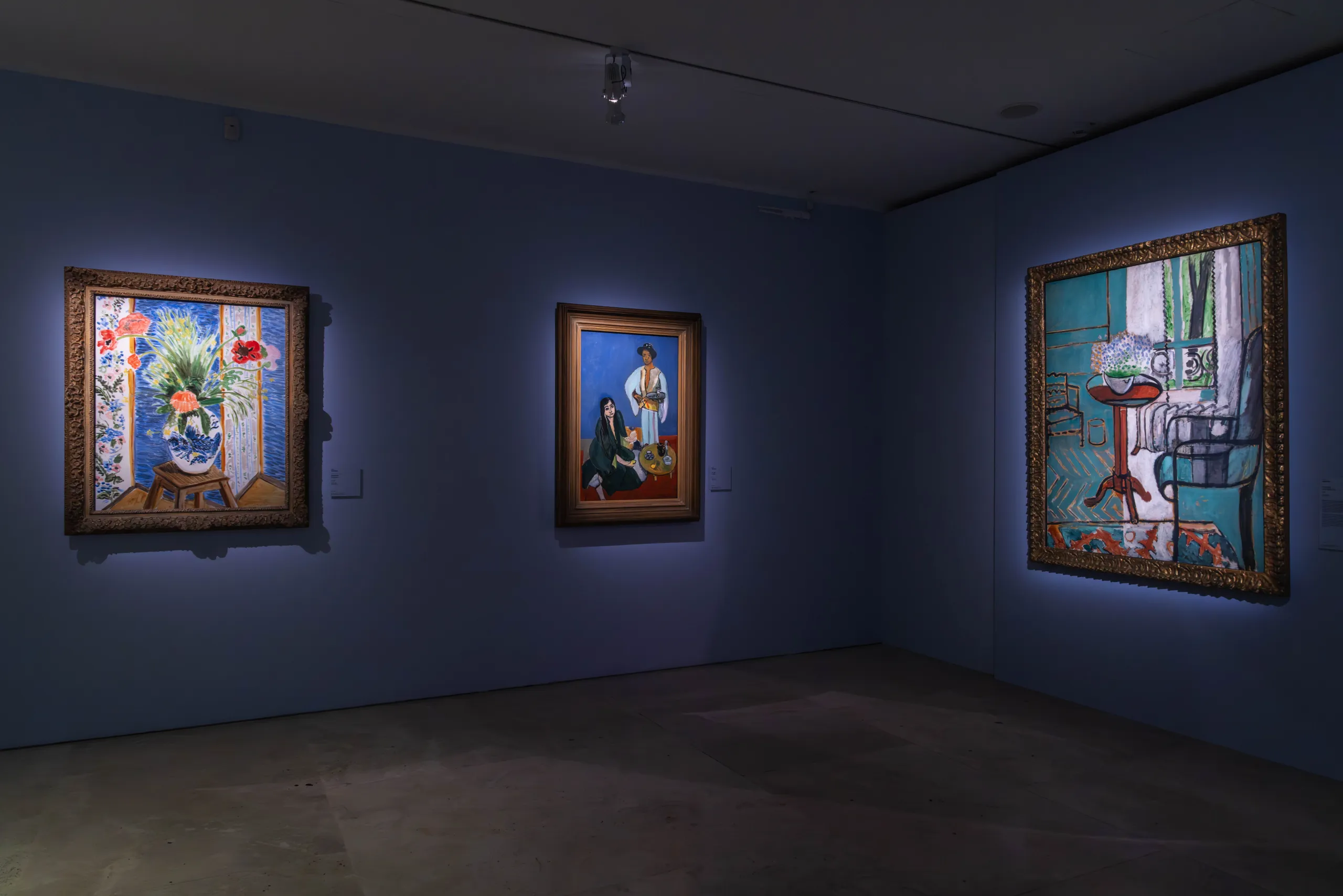
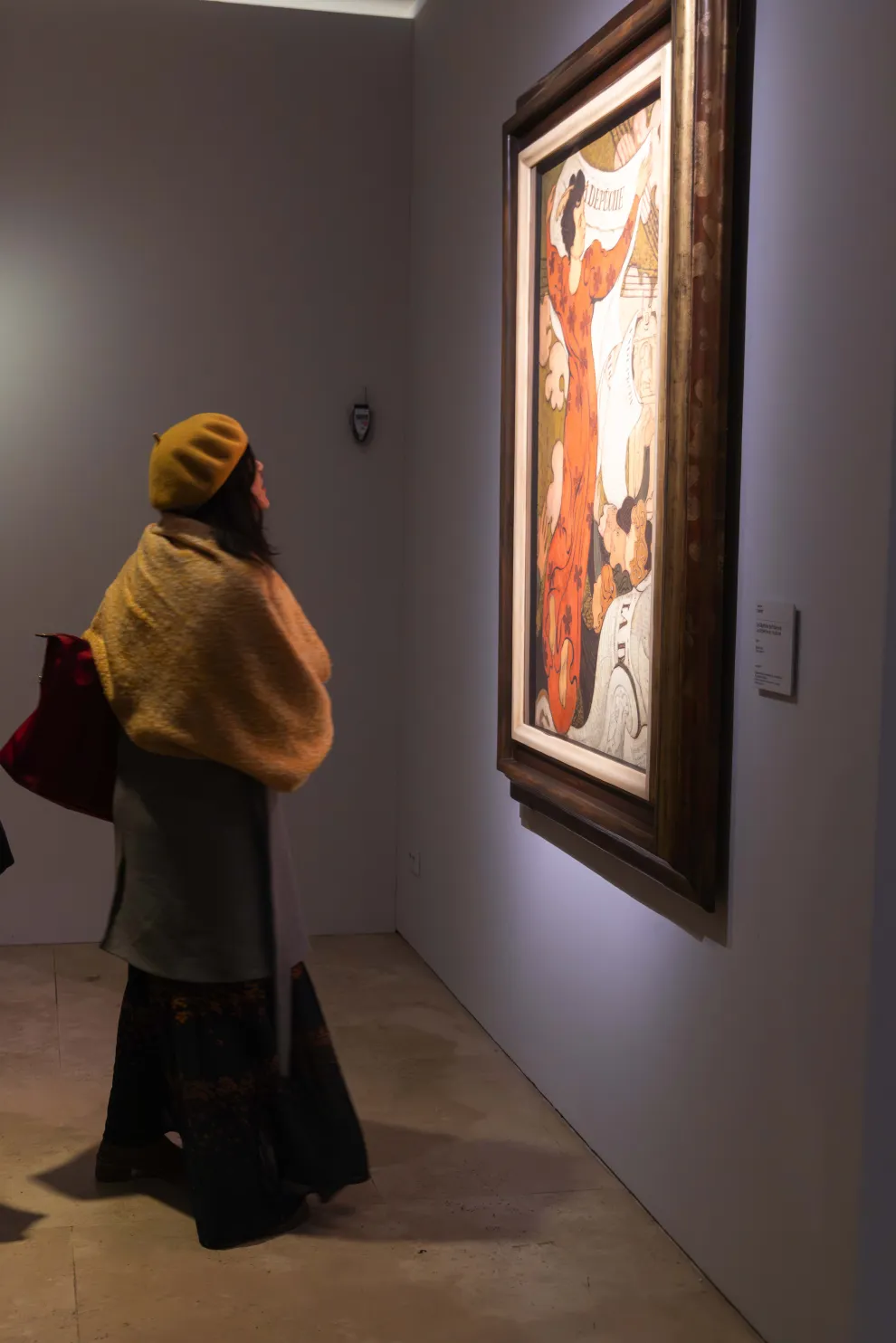
Thanks to that same curiosity and innovation, the DIA holds a world-class collection of impressionism, post-impressionism, and modern art. Fifty-two of those pieces are currently on view from now through May 3, 2026, at Museo dell’Ara Pacis in Rome for Impressionism and Beyond – Masterpieces from the Detroit Institute of Arts.
Early in December, I attended the press conference in Rome with more than 100 journalists representing major Italian press outlets and other European countries. Speaking in front of the Ara Pacis, a monument symbolizing a new Golden Age for Rome during the time of Emperor Augustus, I conveyed Detroit’s rich history of innovation and the DIA’s ambitious, visionary approach to collecting art.
The exhibition features beloved works by artists such as Renoir, Degas, Cézanne, Van Gogh, Matisse, and Picasso. Many entered the collection while William Valentiner served as DIA director from 1924 to 1945. Working closely with key patrons—including Ralph Harman Booth, Edsel Ford, Julius Haass, and Robert Tannahill—Valentiner acquired works that would take the DIA’s influence from regional to international.
At the time, artists like Van Gogh, Kandinsky, and Modigliani, among others, were still the subject of debate in the United States when their works came to Detroit. But the Motor City was known for its forward-looking spirit, a place where experimentation led to transformative change. And the DIA followed suit by serving as an early testing ground for modern art.
Rome is one of the greatest art centers in the world, yet artworks like those loaned by the DIA are rarely seen in the city’s museums. It was deeply rewarding to watch visitors enjoying the DIA collection and discussing it with real passion. The famous news channel TG5 called the show “marvelous” and encouraged viewers not to miss it. Walking through the streets of Rome, I saw the word “Detroit” on exhibition posters in public areas and across city buses. It was a moment of pride for all of us.
The DIA’s presentation in Rome serves as a visual narrative of how modern art unfolded from the mid-1800s through the mid-1900s. Detroit collectors once looked to Paris, Berlin, and Vienna for inspiration; their choices helped shape how Americans came to understand modern art. Now, as these paintings return to Europe, they carry with them nearly a century of care, learning, and public engagement from Detroit.
While some of these favorite works are on view abroad, the story of modern art continues at home. Highlights from the Modern Collection is currently on view at the DIA, offering Detroiters the opportunity to experience many of the pieces that define this pivotal moment in art history. I invite you to visit, explore, and take pride in a collection that—whether in Detroit or Rome—belongs to you.