
Diana Darke: How Syrian Art and Architecture Helped Shape Europe’s Romanesque and Gothic Styles
Ticket Details
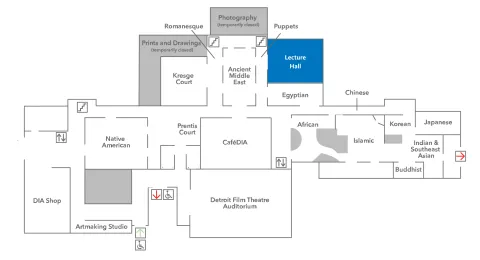
Lecture Hall
Join author Diana Darke for this illustrated talk exploring connections between Syria and Europe. We will begin by examining the Christian art and architecture still extant on the hillsides of Syria, where thousands of fourth-, fifth-, and sixth-century churches can be studied and explored.
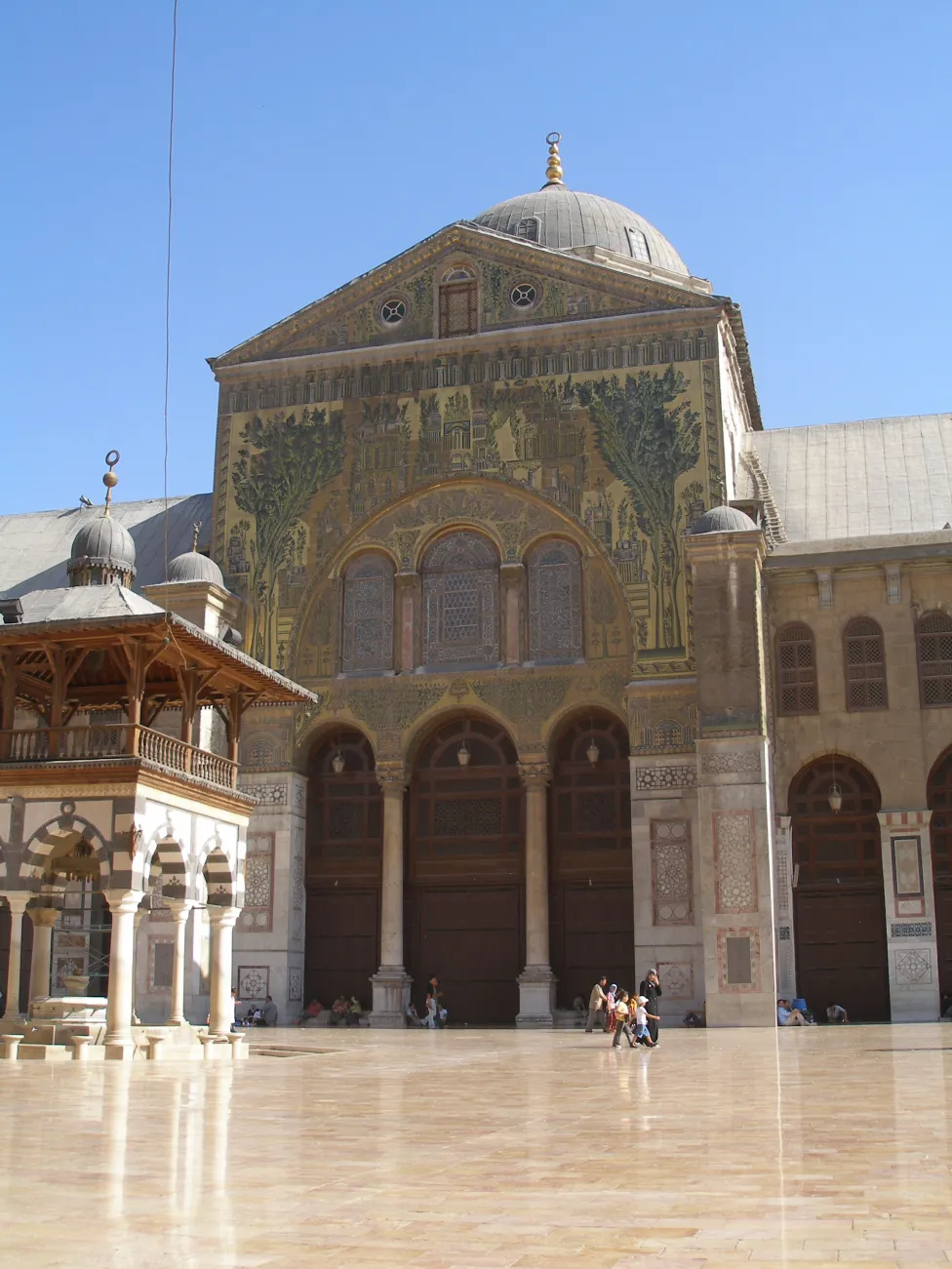
The Umayyads, the first Islamic dynasty, inherited this historic Syrian legacy from their capital Damascus during the seventh and eighth centuries. This influence shaped the earliest examples of Islamic art and architecture, such as Jerusalem’s iconic Dome of the Rock and Damascus’s Great Umayyad Mosque. Both were built for new Muslim patrons with the help of top Christian craftsmen.
When the Umayyads later established their dynasty in al-Andalus (present-day Spain and Portugal), where Islamic art and architecture reached its peak in early medieval times, the roles reversed: top Muslim craftsmen worked for new Christian patrons during the Catholic reconquest of Spain, transferring their skills and decorative repertoires into Latin Europe.
 |  |  |  |  |
This lecture is generously supported by the Detroit Institute of Arts Friends of Asian Arts and Cultures, The Templeton Religion Trust, James Madison College at Michigan State University, the Michigan State University Muslim Studies Program, Global Studies in the Arts and Humanities at Michigan State University, and the Michigan State University Broad Art Museum.
Image: Great Mosque of Damascus, 708–715 CE

The DIA’s Friends of Asian Arts and Cultures (FAAC) is a group of patrons and friends who are committed to fostering understanding and appreciation of the diverse visual and material cultures of Asia, the Islamic World, and the Ancient Middle East.
Diana Darke: How Syrian Art and Architecture Helped Shape Europe’s Romanesque and Gothic Styles
Ticket Details
Lecture Hall


Additional Dates


Additional Dates



Join Friends of Asian Arts & Cultures
FAAC fosters understanding and appreciation of the diverse visual and material cultures of Asia, the Islamic World, and the Ancient Middle East.