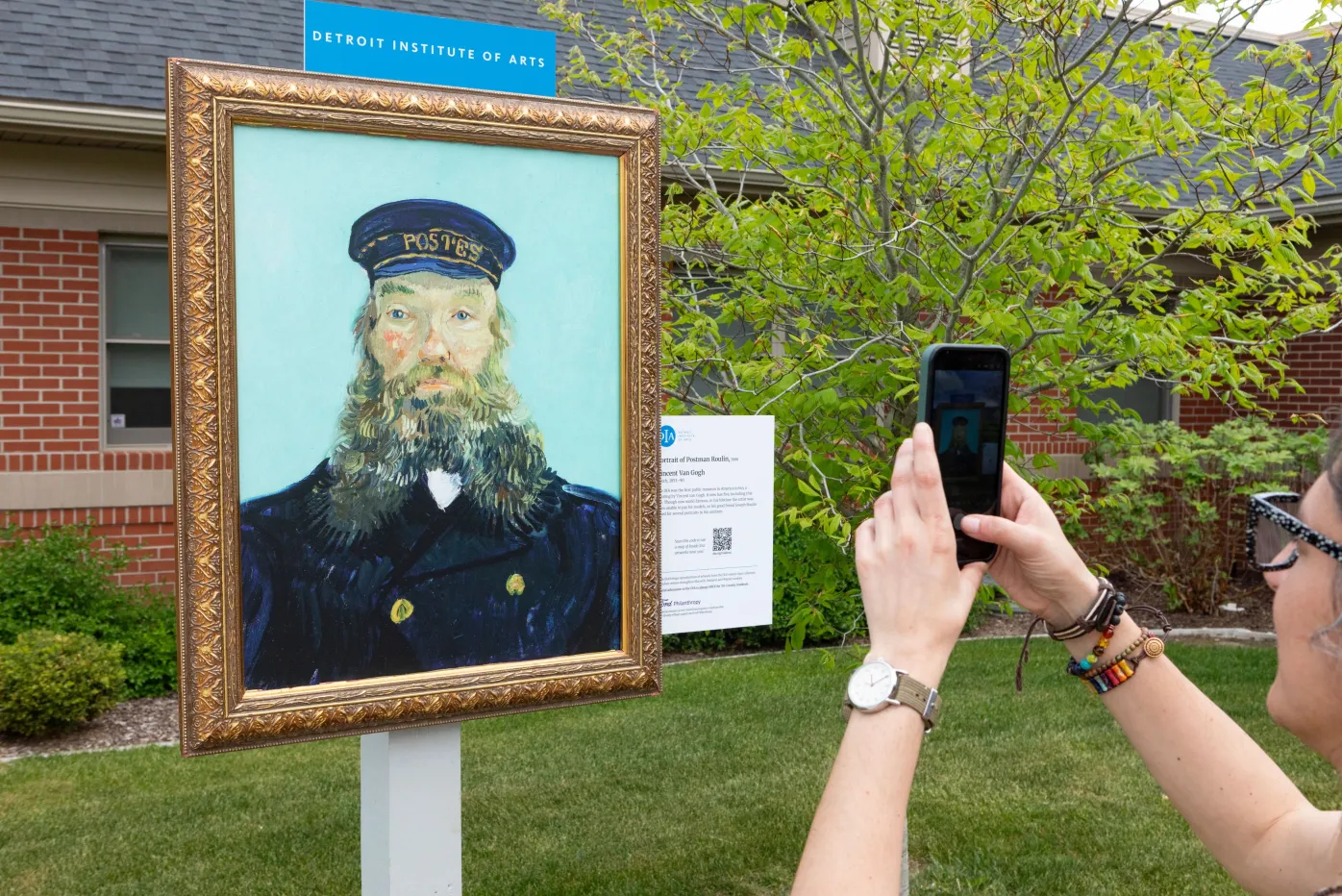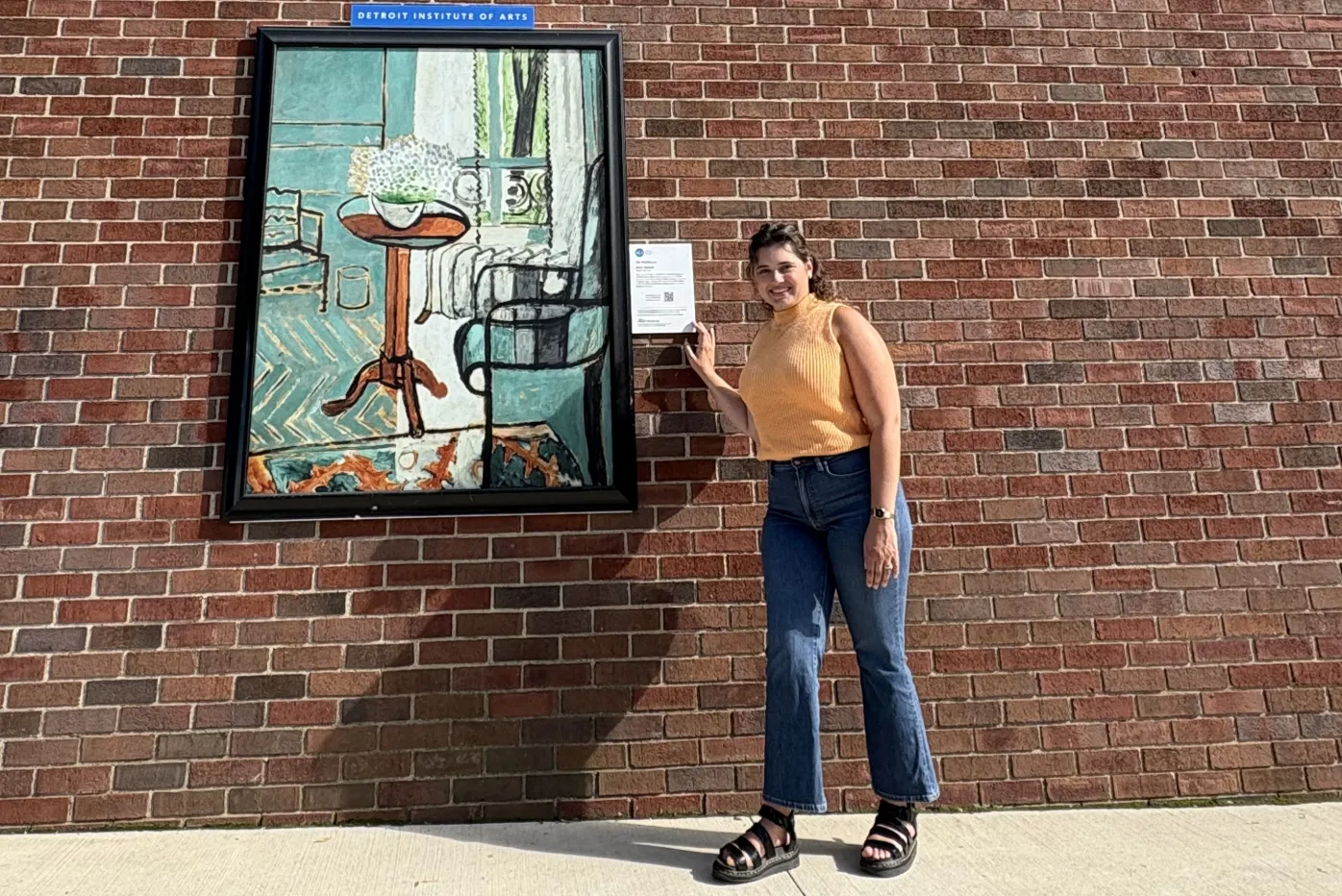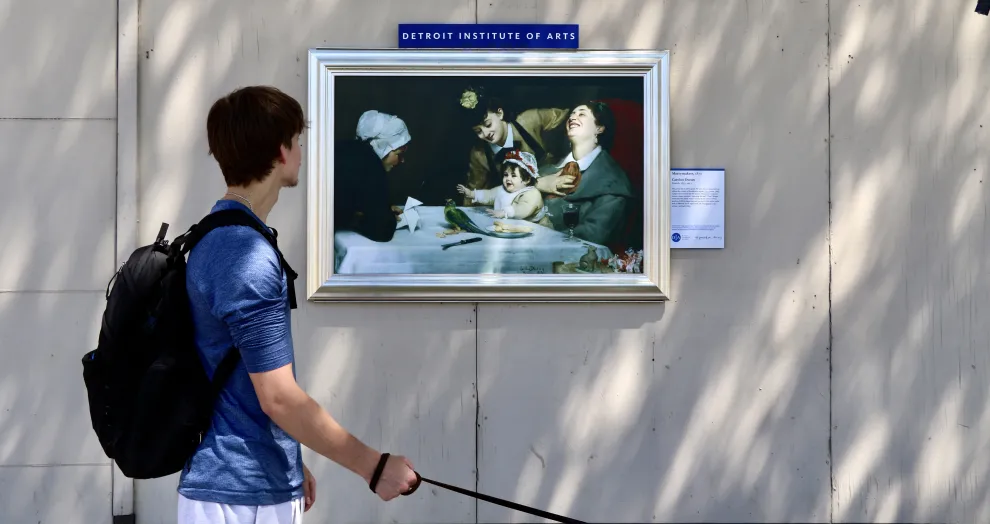
Each year, from May through October, more than 250 high-quality reproductions are installed throughout Macomb, Oakland, and Wayne counties—and on Mackinac Island. Since the program’s inception, the museum has collaborated with around 160 community partners to create these seasonal open-air galleries. You can also spot these artworks year-round at Detroit Metro Airport and select Secretary of State offices in the tri-county area.
By weaving artistic masterpieces into everyday life, Inside|Out creates unexpected encounters with art and prompts moments of discovery. The program turns the DIA “inside out” and invites people to make personal connections with art beyond the museum’s walls. Placing artwork in neighborhoods also allows for community-led programming like walking or biking tours with DIA docents or events at participating parks.
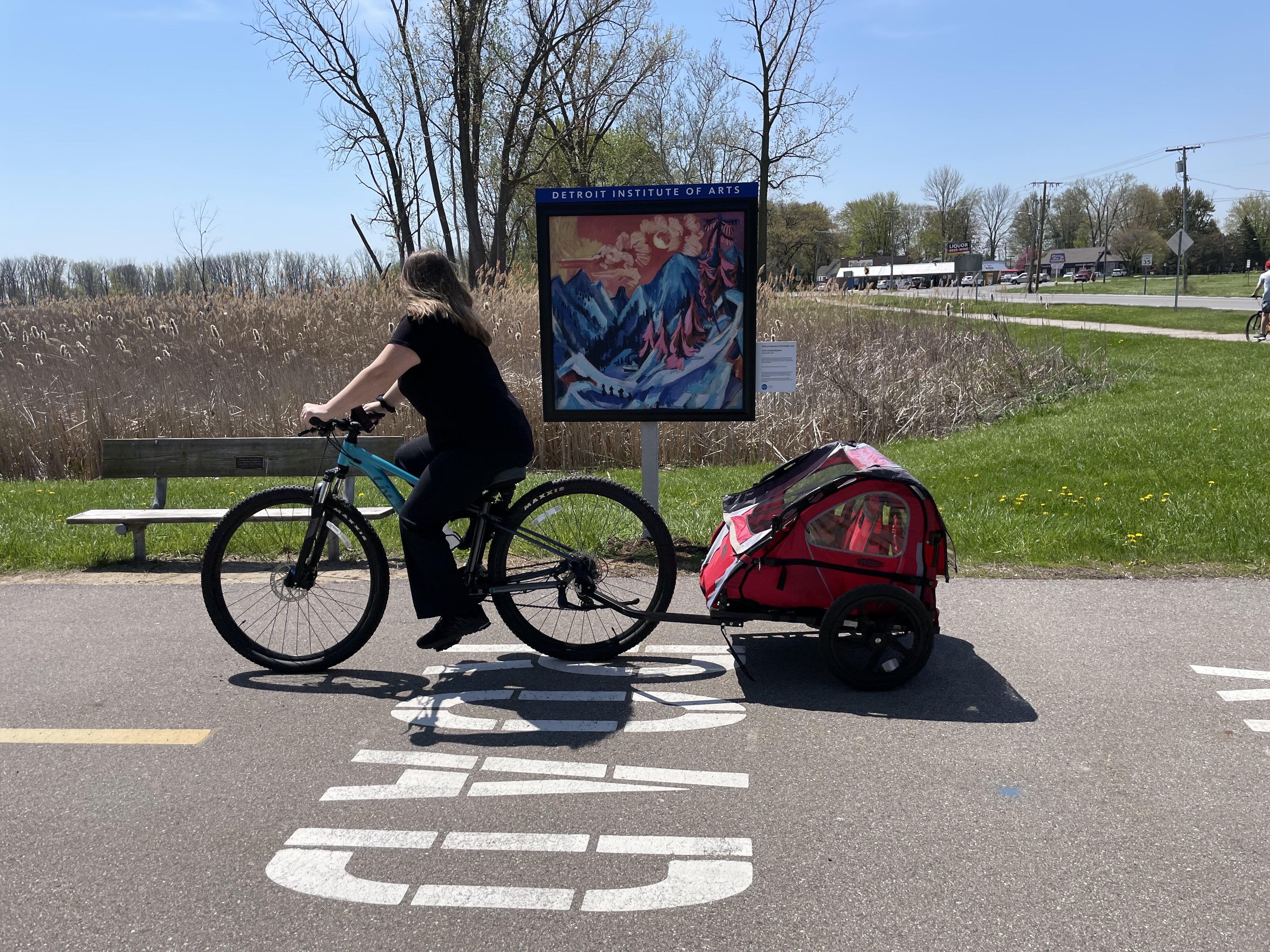
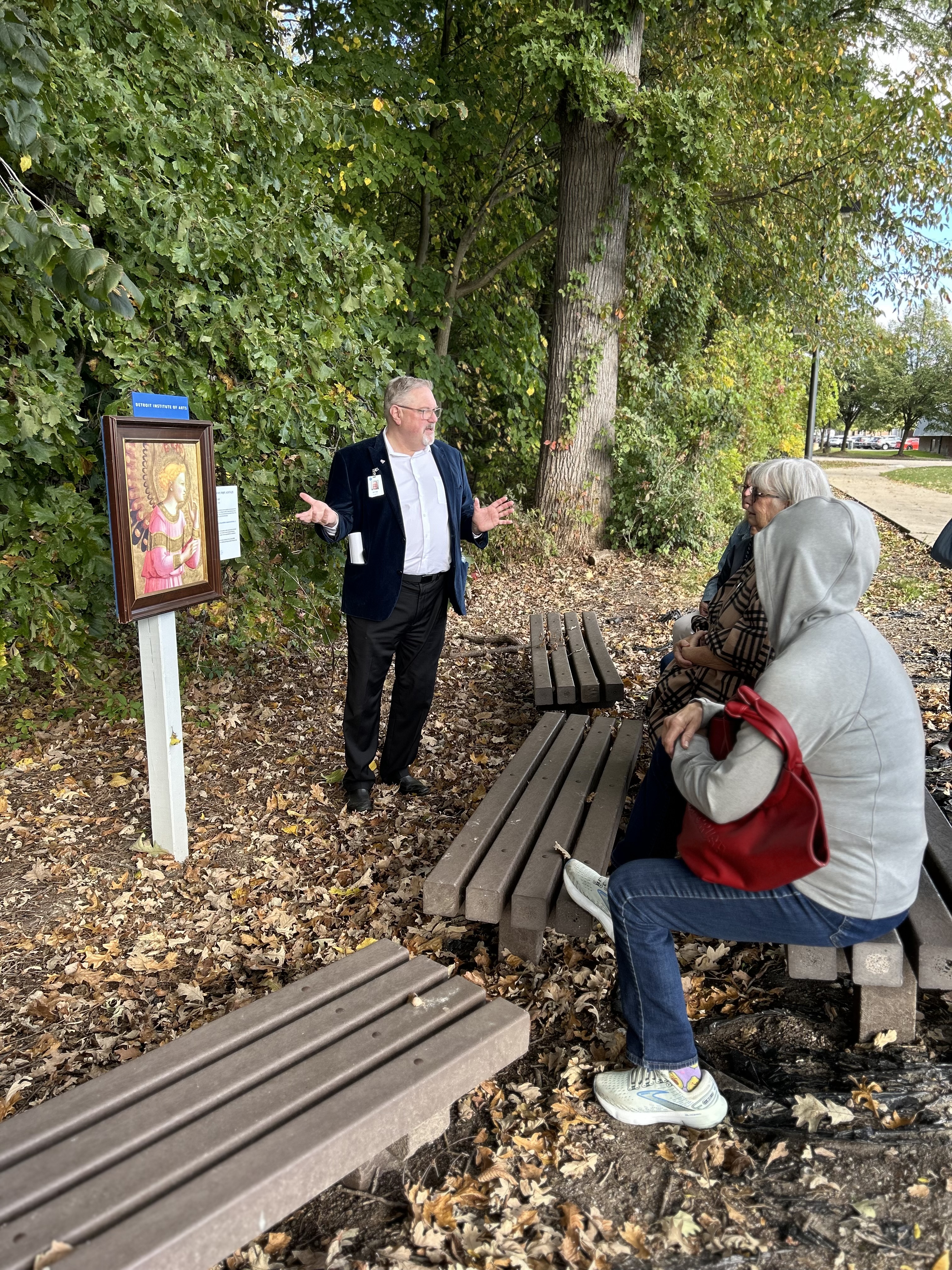
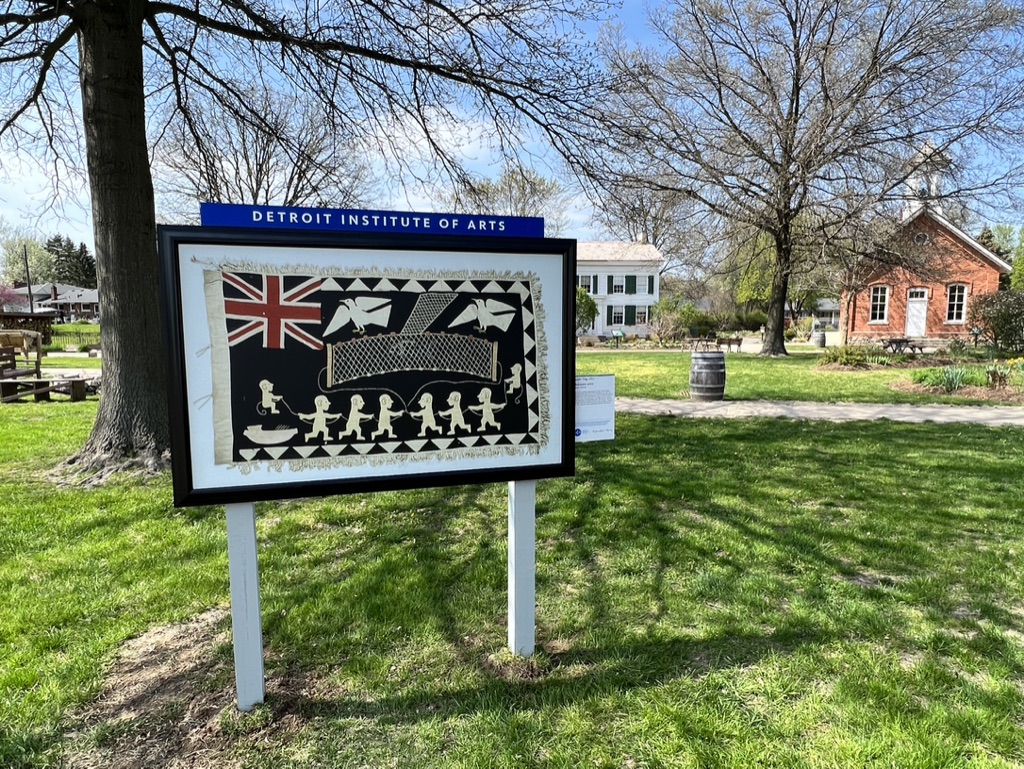
Inside|Out boosts community pride, too. One Wayne County partner describes the benefits of a DIA partnership: “It enhanced the beauty and cultural depth of the community. It raised the perception of the importance of arts and culture to our community members. It made our community more visually interesting, more desirable.”
Making art accessible also spreads awareness of the DIA as a regional treasure and inspires curiosity about the collection. A vibrant artwork near a walking trail or at a library entrance encourages people to visit the museum—and, thanks to the millage, tri-county residents receive free general admission.
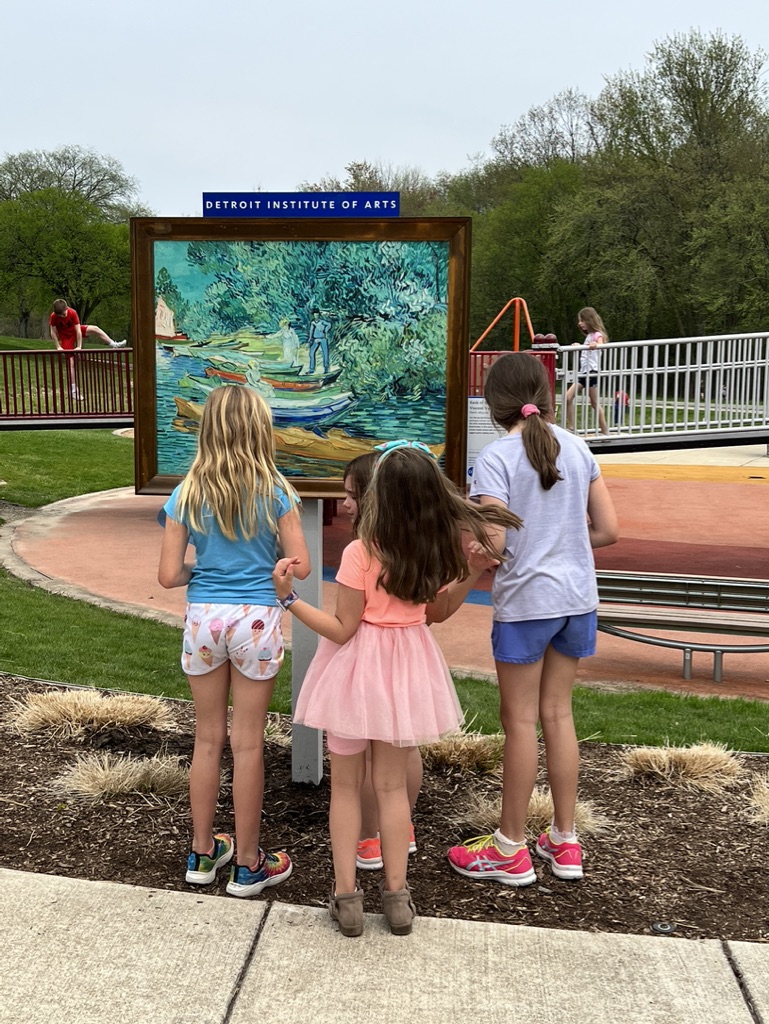
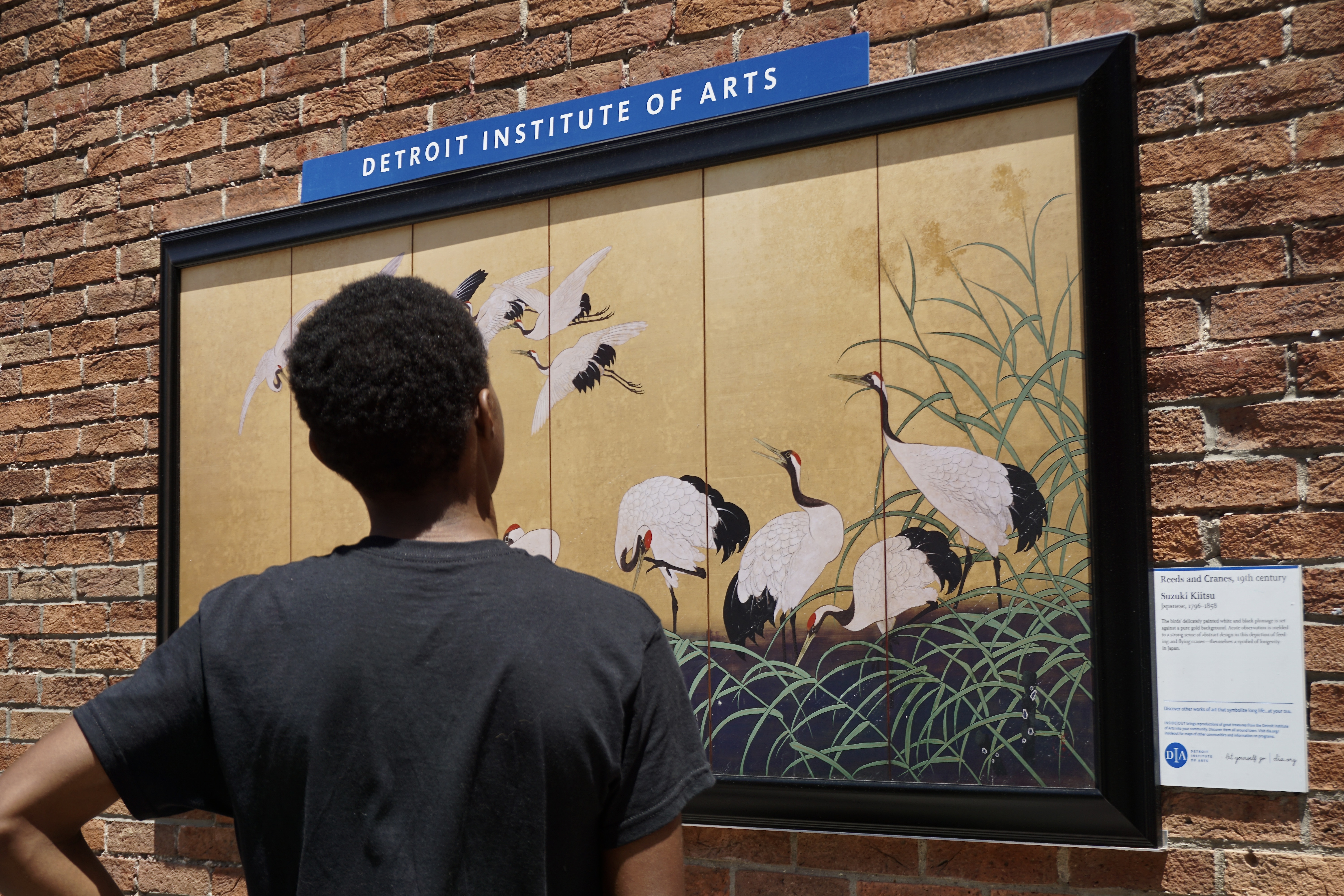
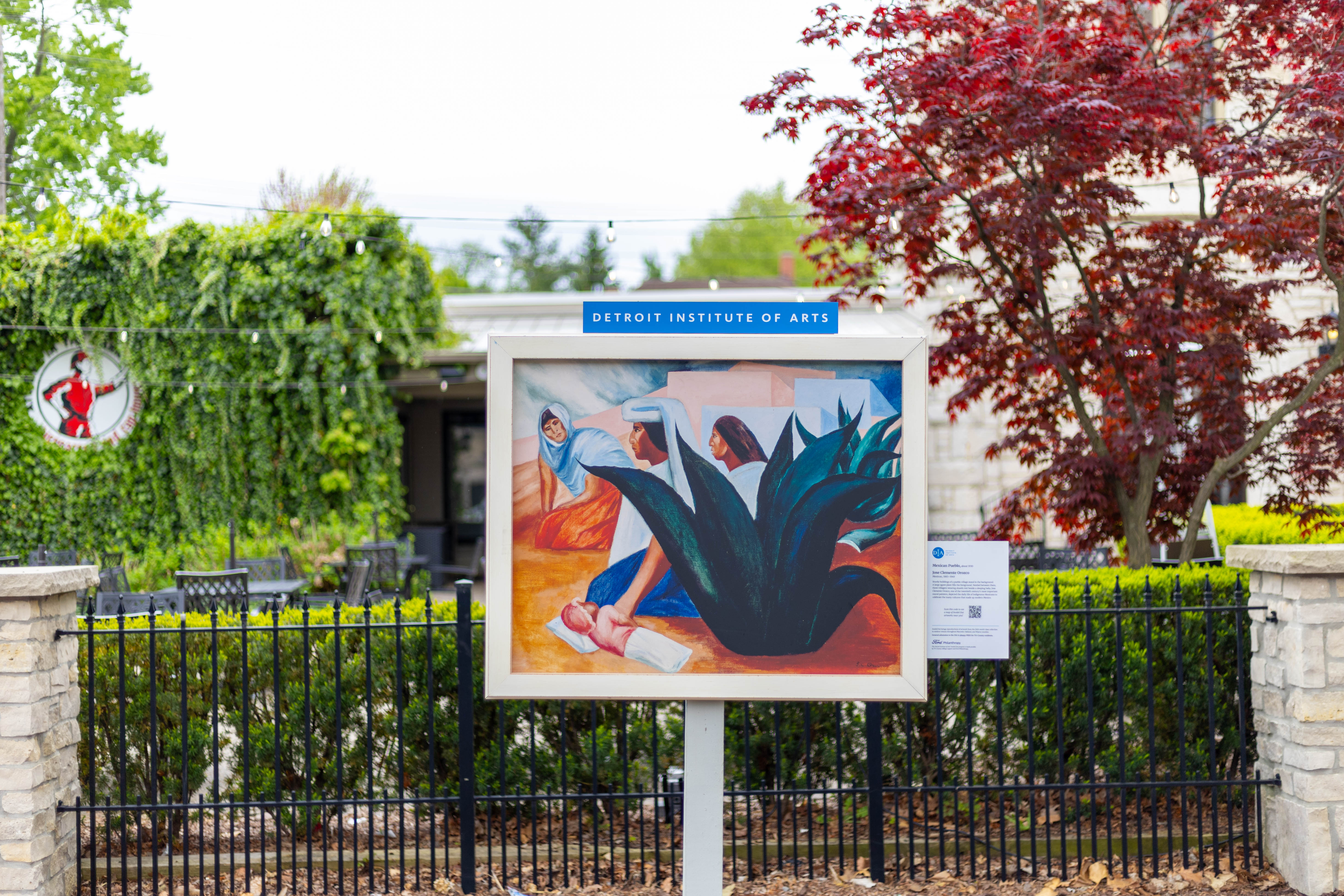
Interested in seeing the DIA’s artwork in your community? Applications for 2027 open on June 8, 2026. Partners—local municipalities or other community organizations like neighborhood associations, parks, and non-profits—are eligible to host the program every few years, depending on demand.