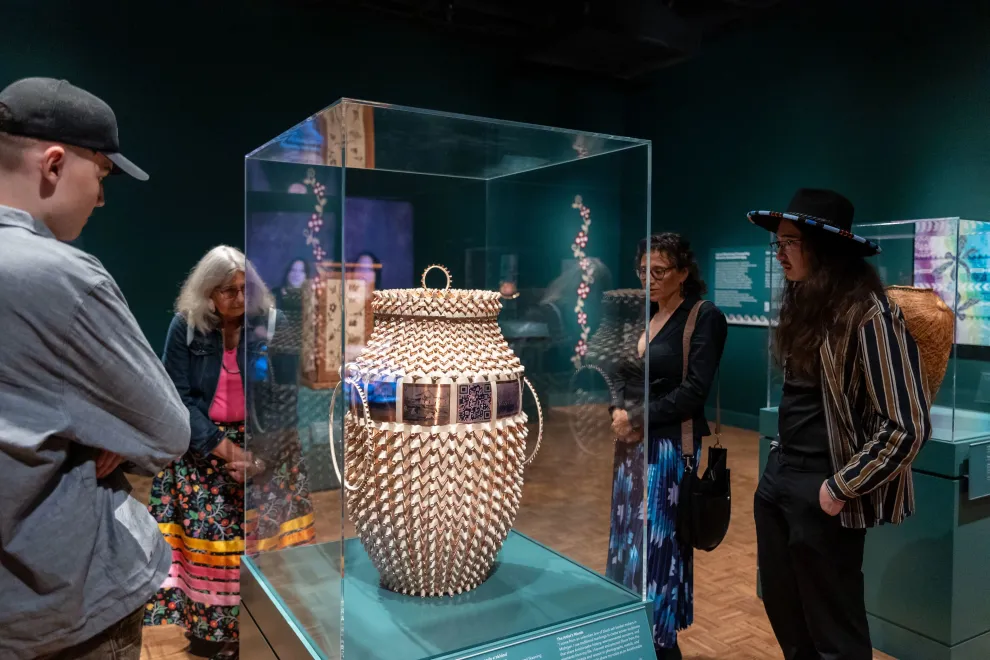
“Often people will ask, ‘how long did it take you to make that basket?’” says Anishinaabe black ash basket maker Kelly Church. “My first answer will be: thousands of years.” A descendant of generations of black ash basket makers, Church assembles her creations with techniques and skills passed down by her ancestors.
“My second answer is, it takes a few weeks,” she adds. “Seventy-five percent of all the work we do is preparation.” First, she scouts for the right ash tree, scattering semaa (tobacco) to thank the tree after it’s been cut down. Then she takes the tree home, where she, her husband, and her daughter meticulously pound, strip, and scrape the wood to create the smooth, pliable slats that she’ll weave and loop into elaborate yet functional baskets that will last a century or more.
But the essential material of this ancient art form is under threat. The invasive emerald ash borer, which came into the country about 30 years ago, is destroying the US ash population. A few years ago, Church could find a perfect tree for a basket 15 minutes away. “Today, I have to drive five to seven hours away” to find the right one, she says.
Still, Church is an optimist, expressing confidence that nature is resilient, and the sustainable practices she uses to find that one perfect tree for her artworks won't disappear. “You hear, ‘99 percent of trees are dying,’ and I know that sounds really devastating. But what I hear is, one percent are living. Either they have some resistance or they’re starting to adapt. And that’s really hopeful news.”
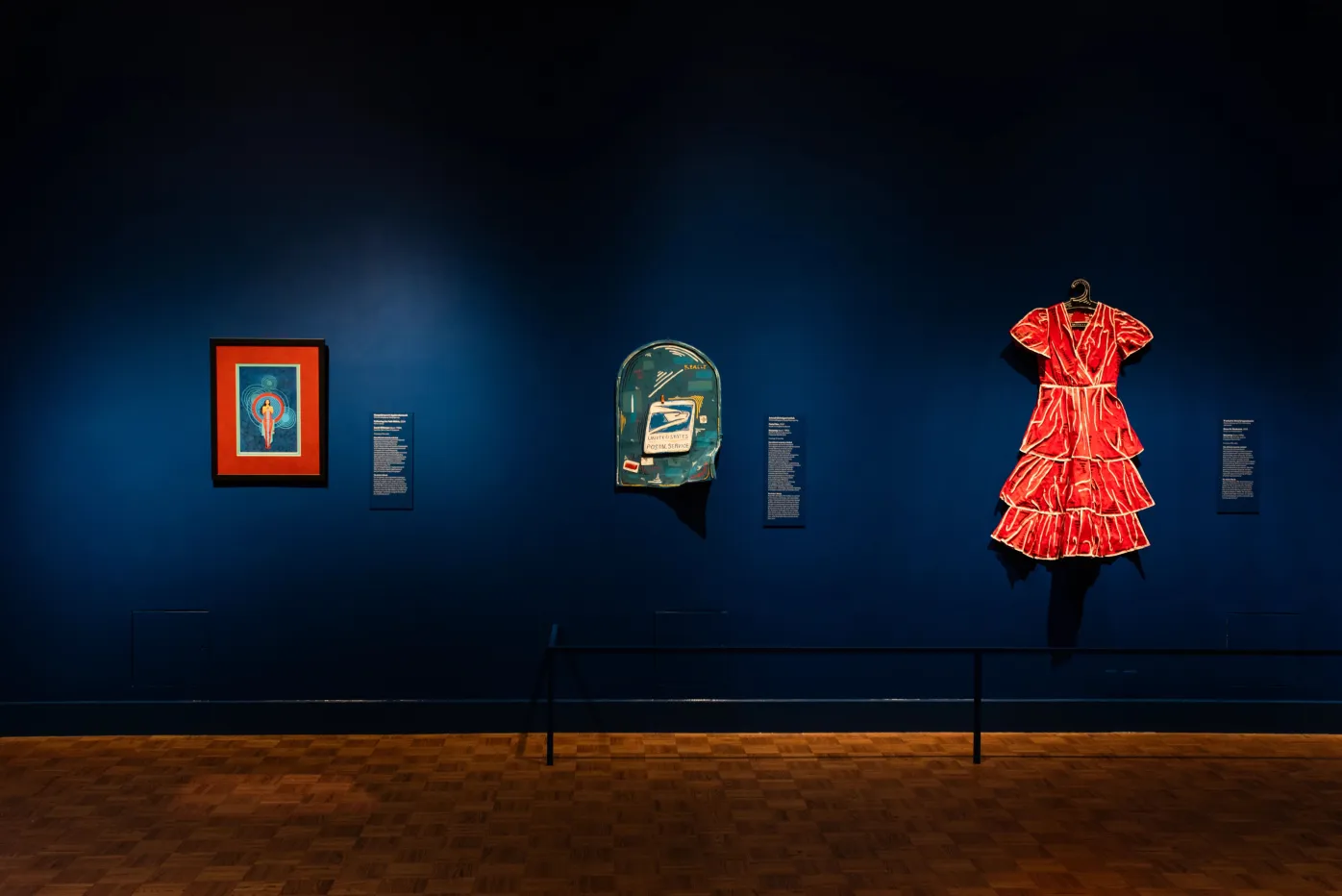
Let Kelly Church walk you through the process of making a black ash basket and then check out her work in the exhibition Contemporary Anishinaabe Art: A Continuation, on view at the DIA through April 5, 2026, and in the DIA's permanent collection (Native American, Level 1, South Wing).